



Insurance Insights Made Simple

Understand the risks, costs, and challenges that shape coverage for different needs.

Hero Illustration

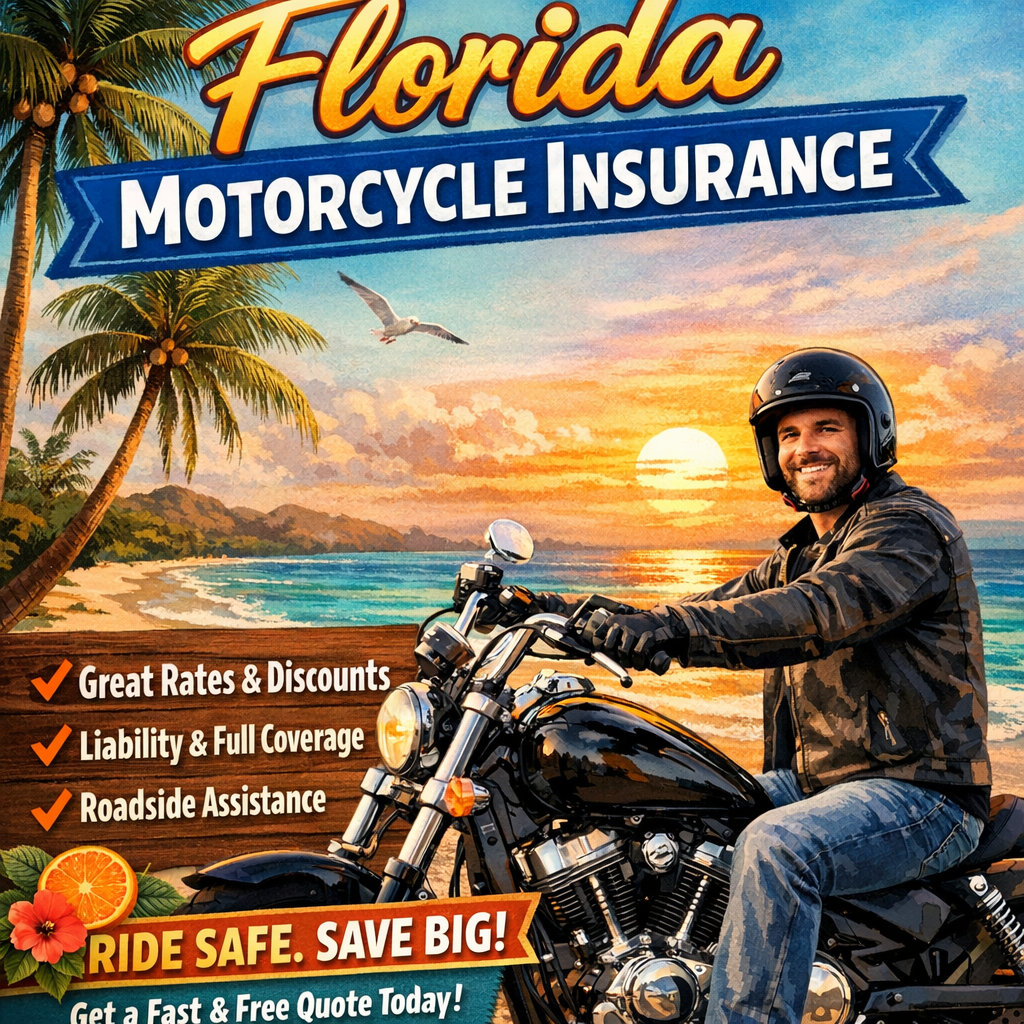
Two-Wheel Coverage

Motorcycle coverage is cheaper due to lower repair costs, limited use, and risk calculations.

Driving Costs

Car coverage is higher because of storms, fraud, medical bills, and costly repairs.

Coastal Landmarks

Lighthouse coverage is complex, shaped by age, location, and preservation requirements.

  • Florida Motorcycle Insurance Explained

    Riding a motorcycle in Florida offers a unique sense of freedom, but it also comes with certain responsibilities—one of which is obtaining proper motorcycle insurance. Unlike many other states, Florida’s insurance requirements for motorcyclists are distinct and sometimes confusing. Whether you’re a new rider or a seasoned enthusiast, understanding the essentials of motorcycle insurance can help you stay protected on the road and avoid legal troubles. This article breaks down everything you need to know about motorcycle insurance in Florida, from legal requirements to tips for saving money.

    Understanding Florida Motorcycle Insurance Requirements

    Florida stands out compared to many states because it does not require motorcycle owners to carry the same type of insurance as car owners. While automobile drivers must have Personal Injury Protection (PIP), motorcyclists are exempt from this rule. However, riders are still financially responsible for any injuries or damages they cause in an accident, making liability coverage a wise choice, even if it’s not mandated by state law.

    If you’re involved in an accident and are found at fault, the financial burden can be significant. Florida law mandates that riders show proof of financial responsibility, which can be satisfied with liability insurance or a financial responsibility certificate. Failing to meet these requirements can result in license suspension, fines, and possible impoundment of your motorcycle.

    Additionally, if you plan to ride without a helmet (which is allowed for riders over 21), Florida law requires you to carry at least $10,000 in medical benefits coverage through your health insurance or a separate policy. Understanding these requirements helps ensure you’re both legal and protected on Florida’s roads.

    Types of Coverage Available for Florida Riders

    While minimum liability insurance is often recommended, several other coverage options can give Florida riders peace of mind. Bodily injury liability and property damage liability are the most common choices, covering medical bills and repair costs for others if you’re at fault in an accident. These policies can help safeguard your assets from potential lawsuits.

    Another important option is collision coverage, which pays for damage to your own motorcycle after an accident, regardless of fault. Comprehensive coverage is also available, covering non-collision incidents such as theft, vandalism, or weather-related damage—a smart choice given Florida’s hurricane-prone climate. These additional coverages can be especially valuable for those with newer or more expensive bikes.

    Florida riders may also want to consider uninsured/underinsured motorist coverage. Given that some drivers on the road may lack adequate insurance, this coverage protects you and your passengers if you’re involved in an accident with an underinsured or uninsured motorist. With these options, you can tailor your motorcycle insurance policy to fit your specific needs and comfort level.

    Factors Affecting Your Motorcycle Insurance Rates

    Many factors influence how much you’ll pay for motorcycle insurance in Florida. Your age and riding experience play a significant role; younger, less-experienced riders generally face higher premiums due to increased risk. Likewise, your driving record can have a major impact—tickets, accidents, or previous insurance claims can drive your rates up.

    The type and value of your motorcycle also matter. High-performance or custom bikes typically cost more to insure than standard models because they’re more expensive to repair and are often involved in more severe accidents. Where you store your bike, how often you ride, and even your ZIP code can affect your rates, as areas with higher theft or accident rates usually mean higher premiums.

    Lastly, the coverage options and deductible amounts you choose will directly impact your bottom line. Opting for higher limits or lower deductibles provides more protection but comes at a higher monthly cost. Conversely, minimal coverage with high deductibles can reduce your premium but may leave you financially vulnerable after an accident.

    How to Choose the Right Policy in Florida

    Choosing the right motorcycle insurance policy in Florida starts with assessing your own needs. Consider how often you ride, the value of your motorcycle, and whether you have health insurance that covers motorcycle accidents. If you frequently ride in busy or high-risk areas, higher liability and uninsured motorist coverage may be wise.

    Compare quotes from multiple insurance providers, as rates and coverage can vary widely. Pay attention not just to the monthly premium, but also to what’s covered and the claim process. Reading customer reviews and seeking recommendations from fellow riders can give you insight into each company’s reputation for handling claims and customer service.

    Lastly, don’t hesitate to ask questions. An experienced insurance agent can help clarify the finer points of policies and ensure you’re meeting Florida’s legal requirements. Taking the time to find a policy that fits your budget and riding habits will give you confidence every time you hit the road.

    Tips for Saving Money on Motorcycle Insurance

    Saving money on your motorcycle insurance in Florida is possible with a few smart strategies. Bundling your motorcycle policy with other insurance products—such as auto or homeowners insurance—often leads to multi-policy discounts. Many insurers offer loyalty discounts or lower rates for paying your premium in full rather than in monthly installments.

    Consider taking a motorcycle safety course, even if you’re an experienced rider. Completing an approved safety course can not only make you a better, safer motorist but also qualify you for premium discounts with many insurance providers. Maintaining a clean driving record is another reliable way to keep your insurance costs down over time.

    Finally, adjusting your coverage and deductible amounts can impact your rates. If you have an older bike or only ride occasionally, you might opt for less comprehensive coverage. Raising your deductible—the amount you pay out of pocket on a claim—can also reduce your monthly premium, just make sure it’s an amount you can afford if you need to make a claim.

    Conclusion

    Motorcycle insurance in Florida comes with its own set of unique considerations, from differing legal requirements to a wide array of coverage options. By understanding the basics, evaluating your specific needs, and shopping around for the best policy. You can enjoy the open road with greater peace of mind—and possibly save money in the process.  


  • Costs For Florida Car Insurance

    Car insurance is something every driver needs, but the cost can vary dramatically depending on where you live. In Florida, many drivers are surprised by how expensive their premiums can be compared to other places. Understanding why car insurance costs more in Florida can help drivers make sense of their bills and possibly find ways to save money. In this article, we will look at the main reasons behind the higher costs, what factors drive up premiums, and how Florida compares to other states. By breaking down the details, you can become a smarter insurance shopper and understand the challenges faced by Florida drivers.

    Exploring Why Car Insurance Costs More in Florida

    Florida is known for its sunshine and beautiful beaches, but it is also known for expensive car insurance. Many drivers who move to the state are shocked when they see their rates go up. The higher costs are not just a coincidence. In fact, several unique challenges in Florida drive up the price of car insurance. From frequent storms to high accident rates, there are many reasons why insurance companies charge more in the Sunshine State. Understanding the reasons behind the high costs can help you better manage your insurance expenses.

    Another reason insurance costs are higher in Florida is the state’s large population of tourists and seasonal residents. These visitors often are unfamiliar with local roads and traffic patterns, which can lead to more accidents. When accidents go up, insurance companies pay more claims, and they pass these extra costs on to everyone. The constant flow of new and temporary drivers creates risks that are not as common in other states. As a result, Floridians tend to pay more for coverage, even if they have clean driving records.

    Florida is also one of the few states that requires personal injury protection coverage. This type of coverage pays for medical expenses regardless of who is at fault in an accident. Personal injury protection can be expensive, and it adds to the overall cost of insurance in Florida. Because drivers must carry this extra coverage, their premiums are often much higher than drivers in states with fewer requirements. The combination of legal requirements and local risks make car insurance in Florida one of the most expensive in the country.

    Key Factors Driving Higher Insurance Rates in Florida

    Weather plays a significant role in Florida’s high insurance costs. Hurricanes and tropical storms are common, and they can cause extensive damage to vehicles. Even when storms do not cause major floods, heavy rain and debris still increase the risk of accidents. Insurance companies factor these risks into their rates, which means drivers pay more for protection. The threat of natural disasters is an unavoidable part of living in Florida.

    Fraud is another major problem for insurance companies in Florida. The state has one of the highest rates of insurance fraud in the country. Common scams include staged accidents and false injury claims, which drive up costs for everyone. Insurance companies must offset their losses by increasing premiums across the board. Unfortunately, honest drivers end up paying more because of the actions of a few dishonest people.

    The legal system in Florida also contributes to higher insurance rates. The state’s laws make it easier for people to sue for damages after an accident. Lawsuits can be expensive for insurance companies, especially when large settlements are awarded. Legal fees and court costs all add up, which ultimately leads to higher premiums for everyone. The combination of weather, fraud, and legal costs puts Florida drivers at a disadvantage compared to those in other states.

    Comparing Florida Insurance Costs With Other States

    Florida consistently ranks among the top states for the most expensive car insurance. The average cost for car insurance in Florida can be nearly double the national average. States like Maine, Vermont, and Idaho usually have much lower insurance rates. The differences are so dramatic that drivers moving from those states to Florida often experience sticker shock when they get their first quote. High premiums in Florida make it difficult for many families to find affordable coverage.

    Several factors make Florida stand out compared to other states. The requirements for personal injury protection, higher accident rates, and the risk of weather disasters all play a role. Other states may only face one or two of these challenges, but Florida faces them all at the same time. This combination puts extra financial pressure on drivers and insurance companies. As a result, there are fewer ways for Florida drivers to lower their premiums compared to people in other parts of the country.

    Some states are working to address their unique risks by reforming laws or offering incentives for safe driving. Florida has made some attempts to control costs, but the challenges remain difficult to solve. Drivers in other states may benefit from fewer legal claims, less fraud, and milder weather, which keeps their insurance rates lower. Until major changes happen, Florida will likely remain one of the most expensive states for car insurance.

    Paying for car insurance in Florida is a significant financial burden for many drivers. The high costs are driven by a combination of weather risks, legal requirements, frequent accidents, and a higher rate of fraud. These challenges make premiums in Florida some of the highest in the country, especially when compared to other states with fewer risks. Many drivers feel frustrated by the lack of options for lowering their rates. Shopping around for quotes and maintaining a clean driving record can help, but it may not be enough to offset the unique challenges in Florida. Understanding why costs are so high can help you make more informed decisions and avoid surprises when buying insurance. Lawmakers and insurance companies continue to search for solutions that can bring some relief to drivers. Until real progress is made,  makes


  • Why Does Florida Motorcycle Insurance Costs Less Despite Risks?

    When people think about motorcycles, they often picture speed and adventure. They might also consider the risks, as riding a bike is statistically more dangerous than driving a car. Yet, one surprising fact stands out: Florida motorcycle insurance usually costs less than car insurance. Many riders and non-riders alike wonder why insurance is cheaper for something that seems riskier. The answer lies in how insurance companies calculate risk, cost, and coverage. Understanding these differences can help motorcycle owners make better choices. In this article, we will examine why motorcycle insurance is often less expensive, the factors that influence these lower rates, and what riders should know about their coverage.

    Exploring the Paradox of Cheap Motorcycle Insurance

    At first glance, it can seem strange that motorcycles, which are involved in more severe accidents, have cheaper insurance. Florida motorcycle insurance rates are not only determined by the level of danger associated with a motorcycle, but also by the cost of repairing or replacing it. Motorcycles typically cost significantly less to repair or replace than cars do. Insurance companies also consider the likelihood of a claim anyone makes. Fewer motorcycles are on the road compared to cars, leading to fewer claims overall. Because there are fewer expensive claims, companies can offer lower rates to motorcycle owners. The risk of injury may be higher, but the financial risk to the insurer is often lower.

    Some people assume that because motorcycles have a higher injury and fatality rate, insurance should be sky high. However, the math behind insurance pricing is more complex. Most motorcycle accidents, unfortunately, result in injuries to the rider rather than damage to property or expensive liability claims. Insurance often covers riders for their injuries, not the motorcycle policy. Property damage from motorcycles is typically less than that from cars, further reducing the risk for insurers.

    Another factor is the frequency of motorcycle use. Many people do not ride their motorcycles every day. They are often used for leisure or on weekends, rather than for daily commutes. Less time on the road means there are fewer chances for an accident. When you combine all these factors, the result is a lower insurance premium for most motorcycle owners.

    Factors That Help Lower Motorcycle Insurance Rates

    One of the primary reasons Florida motorcycle insurance is more affordable is the lower cost of repairs and replacement. Motorcycles are generally less expensive to fix than cars. Even a total loss often costs much less than replacing an average vehicle. Insurance companies look closely at these expenses when setting their rates.

    Another contributing factor is the type of coverage most riders choose. Many motorcycle owners opt for basic liability insurance instead of comprehensive coverage. Liability insurance only pays for damage done to others, not to the motorcycle itself. Because many policies do not include expensive extras, premiums stay low. Riders who opt for more comprehensive insurance will pay more, but still often less than car owners.

    Insurance companies also consider how motorcycles are stored. Riders often keep their bikes in garages or secure locations. Less exposure to theft and vandalism means fewer claims. Seasonal use is also essential. In many places, motorcycles are stored during the winter months, further reducing the risk and cost for insurers.

    How Risk Assessment Differs Between Cars and Motorcycles

    Risk assessment for cars is a complex process that involves numerous factors. Car insurance must cover injuries to passengers, damage to other vehicles, and often includes higher property damage coverage. Car accidents can affect many people and expensive property claims. As a result, car insurance usually becomes more expensive.

    For motorcycles, the main risk is to the rider, not to others. Most motorcycle accidents do not result in massive property damage. Liability claims are smaller and less frequent. When the rider files a claim, it is typically for a lesser amount than a car accident claim would be. Insurance companies rely on statistics that show fewer expensive claims from motorcycles.

    Riders may face a higher personal risk, but insurance is primarily about the cost to the company, not just individual risk. Since motorcyclists often assume more risk themselves, insurance policies tend to focus less on expensive payouts. The higher chance of injury does not always mean higher insurance costs if the insurer does not pay for those injuries. This key difference helps explain why motorcycle insurance is cheaper despite the risks associated with motorcycles.

    What Motorcycle Owners Should Know About Their Coverage

    Many motorcycle owners are unaware that their insurance may not provide adequate coverage for their injuries. Standard motorcycle policies often include liability coverage but little protection for the rider’s medical bills. Riders should verify whether their health insurance or a separate policy covers injuries resulting from a crash. Understanding your policy is the first step to being protected.

    Florida motorcycle insurance typically does not include coverage for custom parts or upgrades unless the rider explicitly adds them. Owners who customize their bikes should make sure those upgrades are covered. Comprehensive and collision coverage are optional and can increase the cost, but they provide additional protection. Riders who purchase only the minimum coverage may save money, but they may still have to pay out of pocket after an accident.

    It is also essential for riders to shop around for the best rates. Not all insurance companies calculate risk the same way. Some offer discounts for completing safety courses, maintaining a good driving record, or for being a member of motorcycle organizations. Comparing policies and understanding what the carrier includes can help riders find the best coverage for their needs. Knowing what your policy covers keeps you safer both on the road and financially.

    Conclusion

    Florida motorcycle insurance is generally less expensive than car insurance for several reasons, many of which may not be immediately apparent. The key factors are the lower cost of repairing or replacing motorcycles, the type of coverage most riders opt for, and the lower risk of incurring expensive claims. Insurance companies are primarily concerned with the potential amount they may have to pay out, rather than just the likelihood of an accident occurring. Motorcycles may be more dangerous to ride, but the financial losses for insurers are often smaller than those connected with cars. Riders should not mistake cheaper insurance for better or more complete protection. Motorcycle owners should carefully read their policies and understand the limits of their coverage. Adding extra coverage can make sense if you ride frequently or have a significant investment in your bike. Shopping around and taking advantage of discounts can further lower costs. Ultimately, understanding how your insurance works enables you to ride with confidence and peace of mind. Cheaper Florida motorcycle insurance is a reflection of lower financial risk for insurers, not a measure of personal safety. Being informed is the best way to stay protected both on and off your motorcycle.


Explore coverage today, stay protected!